Insulation is one of the most important components of any modern building, playing a central role in regulating indoor temperature, improving energy efficiency, and enhancing overall comfort. Whether used in residential homes, commercial properties, or industrial facilities, insulation works by reducing heat transfer between the interior and exterior environments. This means it helps keep indoor spaces warmer during cold conditions and cooler during hot conditions, reducing the need for excessive heating and cooling systems.
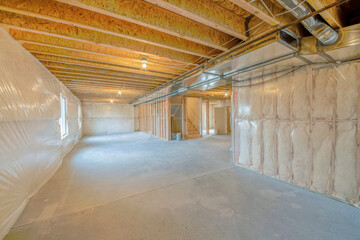
In many buildings, insulation is hidden within walls, ceilings, floors, and roof spaces, making it easy to overlook despite its major impact on energy consumption and comfort. Poor or insufficient insulation can lead to significant energy loss, higher utility costs, and inconsistent indoor temperatures. On the other hand, properly installed insulation creates a more stable indoor environment, reduces strain on HVAC systems, and contributes to long-term cost savings.
One of the key benefits of insulation is its ability to improve energy efficiency. Heating and cooling systems account for a large portion of energy usage in most buildings, and without proper insulation, a significant amount of that energy is wasted. Insulation acts as a barrier that slows the movement of heat, allowing indoor systems to maintain desired temperatures more efficiently. This reduces energy consumption and helps lower monthly utility expenses over time.
Insulation also plays an important role in improving indoor comfort. Without proper insulation, indoor temperatures can fluctuate dramatically depending on external weather conditions. This can create uncomfortable living or working environments where certain areas feel too hot or too cold. Effective insulation helps maintain consistent temperatures throughout the building, creating a more comfortable and stable indoor atmosphere.
Another important function of insulation is noise reduction. Many insulation materials also act as sound barriers, reducing the transmission of noise between rooms or from external sources. This is particularly beneficial in multi-story buildings, shared living spaces, and commercial environments where privacy and quiet conditions are important. By absorbing and dampening sound vibrations, insulation contributes to a more peaceful indoor environment.
There are several types of insulation materials commonly used in construction, each designed to meet different performance requirements and installation conditions. Choosing the right insulation depends on factors such as building structure, climate conditions, budget, and energy efficiency goals.
Common types of insulation include:
- Fiberglass Insulation
Fiberglass is one of the most widely used insulation materials due to its affordability and effectiveness. It is typically installed in walls, attics, and ceilings and works by trapping air within fine glass fibers to reduce heat transfer. - Foam Board Insulation
Foam board insulation provides high thermal resistance in a relatively thin layer. It is often used in walls, foundations, and roofs where space is limited but strong insulation performance is required. - Spray Foam Insulation
Spray foam expands after application, filling gaps and sealing air leaks. This type of insulation provides excellent thermal resistance and air sealing, making it highly effective for energy efficiency. - Mineral Wool Insulation
Mineral wool is known for its fire resistance and soundproofing capabilities. It is commonly used in areas where both thermal insulation and acoustic control are important. - Reflective Insulation
Reflective insulation works by reflecting radiant heat rather than absorbing it. It is often used in attics and roofs to reduce heat gain in warm climates.
One of the most important aspects of insulation is its role in reducing air leakage. Even if a building has good insulation materials, gaps and cracks can still allow air to escape or enter, reducing overall efficiency. Proper installation is critical to ensure that insulation performs effectively. Sealing gaps around windows, doors, electrical outlets, and structural joints helps maximize insulation performance and prevent energy loss.
Insulation also contributes significantly to environmental sustainability. By reducing the amount of energy needed to heat and cool buildings, insulation helps lower greenhouse gas emissions associated with energy production. Energy-efficient buildings place less demand on power systems and contribute to more sustainable resource usage. As environmental awareness continues to grow, insulation has become an essential part of green building practices.
In residential buildings, insulation provides multiple benefits that directly improve daily living conditions. Homes with proper insulation experience more stable indoor temperatures, reduced noise from outside, and lower energy bills. Attics, walls, floors, and basements are all common areas where insulation is installed to improve overall home performance. Without adequate insulation, homes may feel drafty in winter and excessively warm in summer, leading to discomfort and higher energy costs.
Commercial buildings also rely heavily on insulation to maintain efficient operations. Office buildings, retail spaces, warehouses, and industrial facilities all benefit from improved temperature control and reduced energy consumption. In large commercial environments, insulation helps regulate heating and cooling loads, reducing operational costs and improving employee comfort. It also helps protect sensitive equipment and materials that may be affected by temperature fluctuations.
Proper insulation installation requires careful planning and professional expertise. Factors such as building design, material selection, and installation techniques all influence performance. Poor installation can lead to gaps, compression of materials, or thermal bridging, which reduces effectiveness. Professional installation ensures that insulation is applied correctly and performs as intended over time.
There are several key areas where insulation is commonly installed:
- Attics and roof spaces to reduce heat loss and gain
- Exterior and interior walls for temperature regulation
- Floors and crawl spaces to prevent cold air infiltration
- Basements and foundations to control moisture and temperature
- HVAC ducts to improve system efficiency
Moisture control is another important function of insulation. In certain environments, moisture buildup can lead to mold growth, structural damage, and reduced indoor air quality. Some insulation materials are designed to resist moisture or work alongside vapor barriers to prevent condensation. Proper moisture management helps protect building materials and maintain healthy indoor conditions.
Insulation also plays a key role in extending the lifespan of heating and cooling systems. When a building is properly insulated, HVAC systems do not need to work as hard to maintain desired temperatures. This reduces wear and tear on equipment, lowers maintenance costs, and extends system lifespan. Over time, this results in significant cost savings and improved system reliability.
Choosing the right insulation requires careful consideration of performance, cost, and long-term benefits. While some materials may have higher upfront costs, they often provide greater energy savings over time. Evaluating insulation options based on thermal resistance, durability, and environmental impact helps ensure the best long-term results.
Ultimately, insulation is a fundamental part of modern construction and building performance. It improves energy efficiency, enhances comfort, reduces noise, and supports environmental sustainability. Whether in new construction or renovation projects, proper insulation installation provides long-term benefits that extend far beyond immediate cost savings.
As energy costs continue to rise and environmental concerns become more important, insulation remains one of the most effective solutions for improving building performance. A well-insulated structure not only reduces energy consumption but also creates a more comfortable, efficient, and sustainable living or working environment for years to come.